
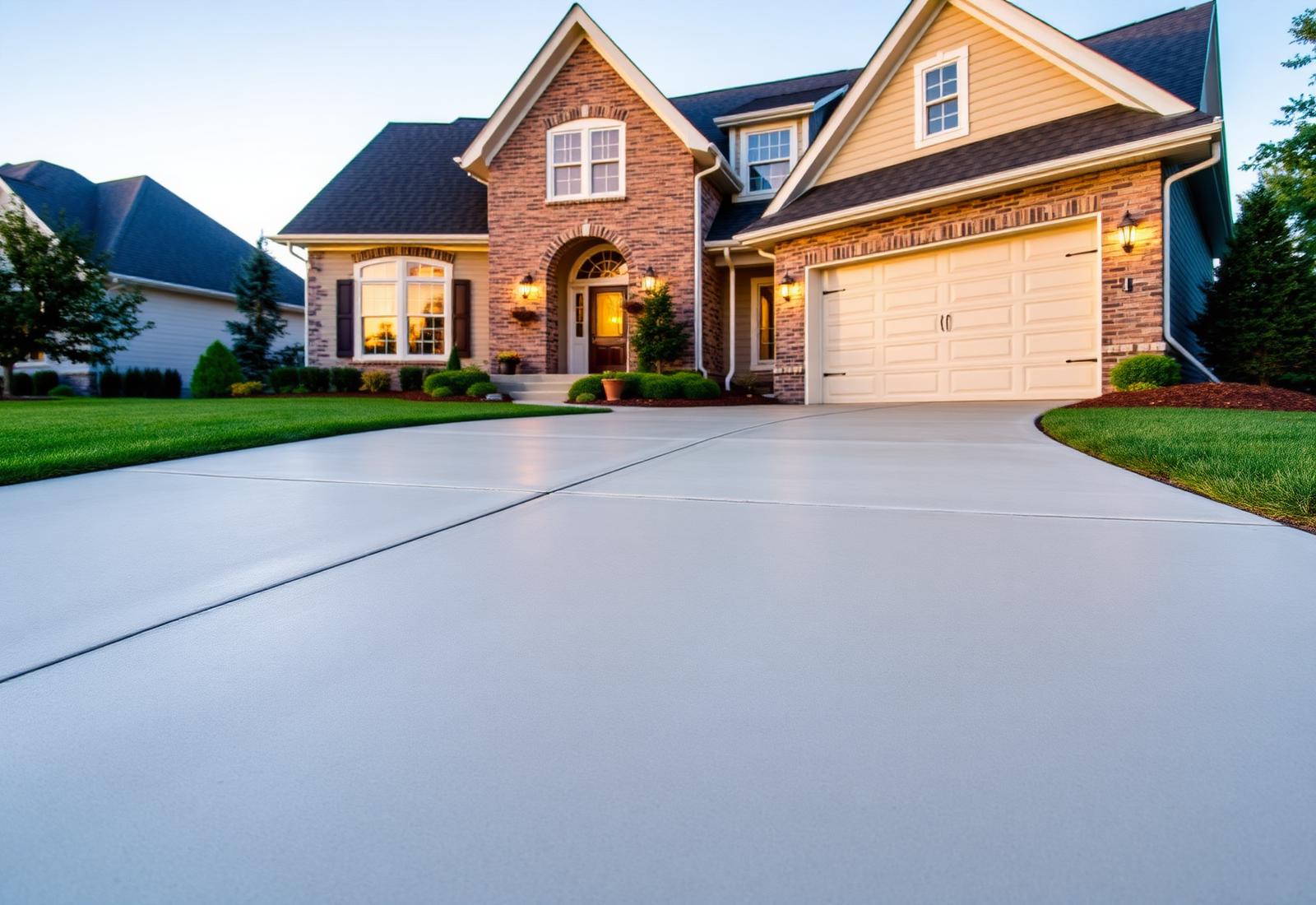
Concrete Contractor in Springfield, IL for Driveways, Patios & Slabs
Driveways, patios, slabs, foundations, and sidewalks built for central Illinois ground — slow-draining silt loam below, four months of freeze-thaw above. Request an estimate for your property.
- Residential & commercial
- Air-entrained exterior mixes
- Springfield, Chatham, Sherman, Rochester, Riverton
Concrete Services in Springfield, Illinois
Every service below gets planned around the same two local realities: a subgrade that swells and shrinks with moisture, and winters that cycle across freezing again and again. Homeowners, businesses, and property managers can request an estimate for any of them.
Concrete Driveways
New driveway installations planned around the property layout, dimensions, access, and current site conditions.
Concrete Patios
Backyard and side-yard patio projects planned around location, size, access, and intended outdoor use.
Concrete Slabs
Slab projects planned around dimensions, intended use, access, site conditions, and preparation.
Concrete Foundations
Foundation project requests reviewed with careful attention to scope, plans when applicable, and site conditions.
Sidewalks & Walkways
Residential and commercial sidewalks and walkways planned around dimensions, layout, and connections.
Commercial Concrete
Confirmed commercial concrete requests reviewed individually with attention to access, timing, and scope.
Why Springfield Homeowners Choose Us
Licensed, Insured & Local
Springfield IL Concrete is a local business focused on residential and commercial concrete work across Springfield and the surrounding communities.
Built for Springfield's Soil and Winters
Every project is planned around the conditions covered in our Six Local Conditions That Change a Springfield Concrete Job section — expansive silt loam subgrade, slow drainage, freeze-thaw cycles, and more.
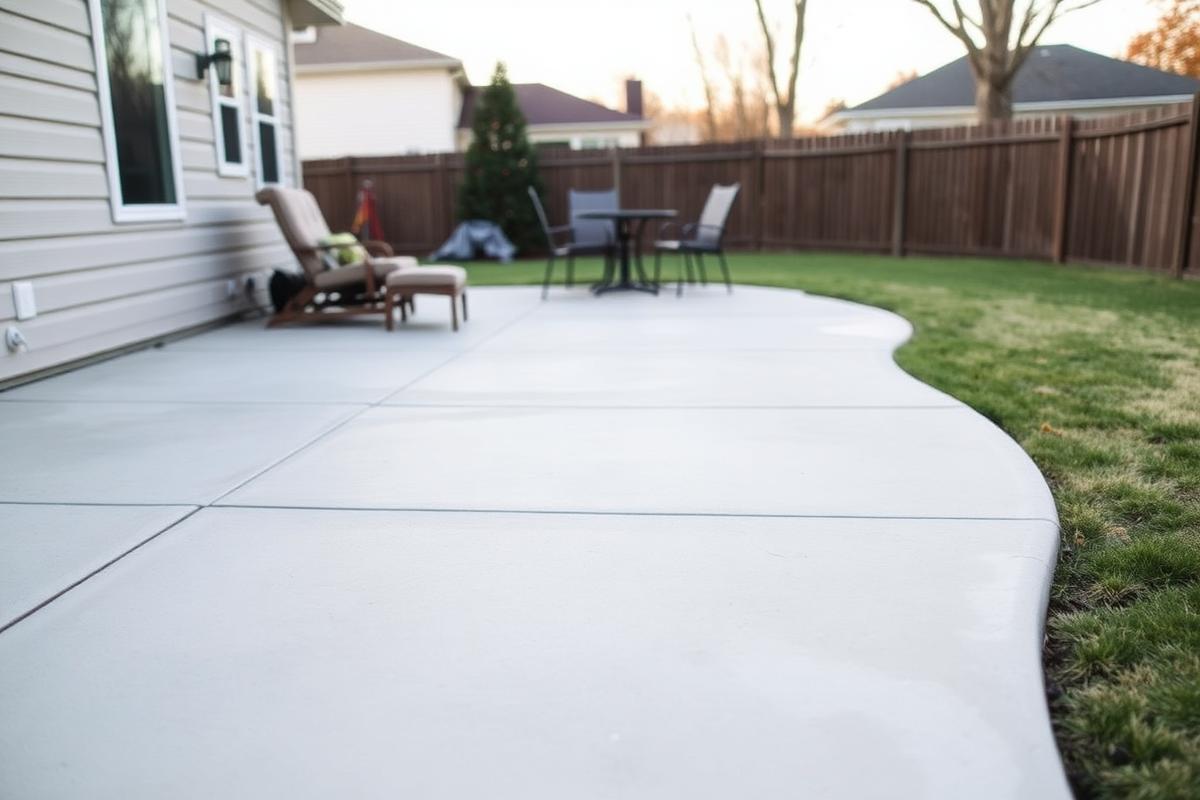
Residential Concrete Built for Sangamon County Soil
The soils mapped across most of the Springfield area — Virden and Ipava silt loams among them — formed in deep loess and are classified by the USDA as poorly to somewhat poorly drained with moderately slow permeability. Their clay fraction swells when wet and contracts as it dries. That is the ground your driveway, patio, or walkway is resting on, and it is why base preparation and drainage carry more weight here than slab thickness alone.
Water Has to Be Given a Route
Slopes across much of the area run between zero and two percent. Nothing drains by accident on ground that flat, so pitch and outfall get designed before a form board goes down.
Winter Is the Real Test
With roughly 36 inches of precipitation a year and repeated freeze-thaw from late November into March, exterior flatwork here should be air entrained and finished so the surface sheds water rather than sealing it in.
Talk It Through First
Call 217-996-8717 or send photos and the spot where water stands after a hard rain.
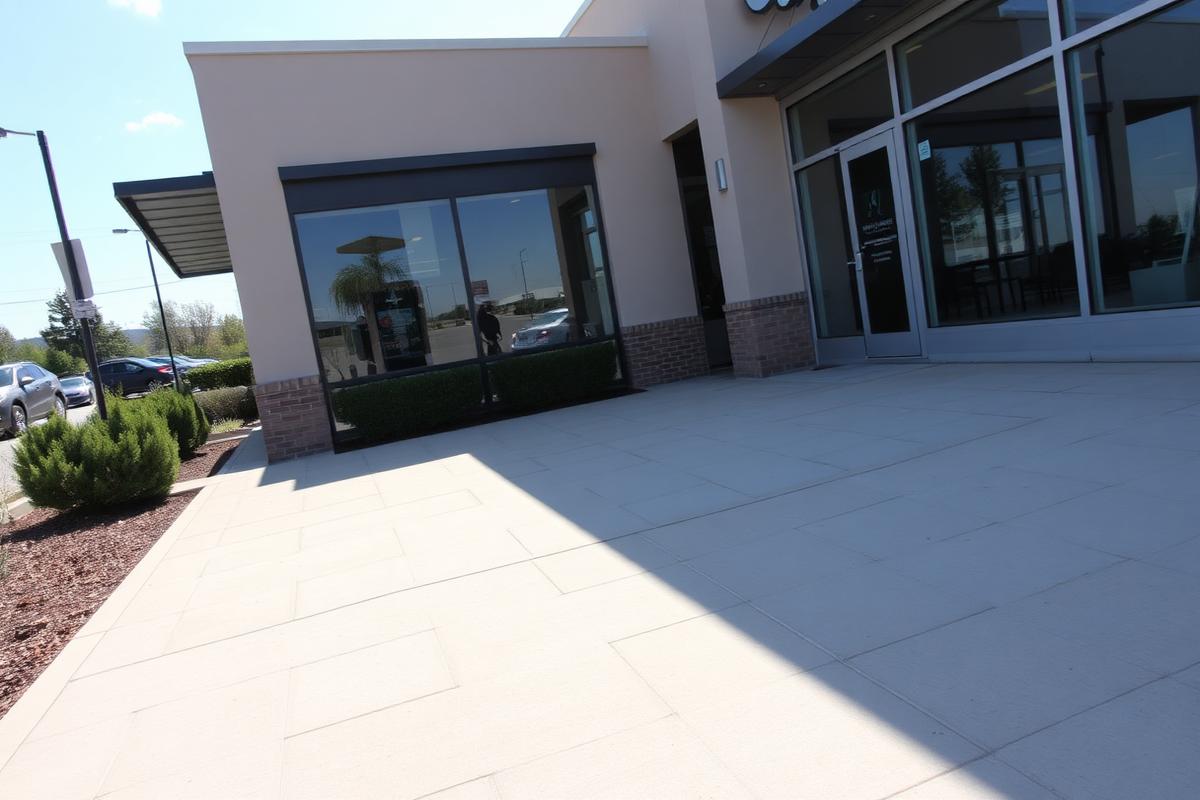
Commercial Concrete Along Springfield's Business Corridors
Aprons, drive lanes, dumpster pads, and public walks on the MacArthur Boulevard, Wabash Avenue, and Dirksen Parkway corridors take truck loads, plow blades, and de-icer over the same slow-draining subgrade a house sits on. Thickness and joint layout follow the actual traffic, not a square-foot rule of thumb.
Loading Areas and Dumpster Pads
Concentrated and repeated point loads usually make these the thickest, most heavily reinforced slabs on a commercial site.
Accessible Routes and Right-of-Way Work
Ramps, walks, and anything in the public right-of-way have slope tolerances and a city review track through Springfield Building and Zoning. We flag it up front.
Staying Open Through the Work
Occupied properties get phased — half a lot at a time, entrances sequenced. Winter pours extend the closure window, so fall and spring phasing is usually cheaper in lost access.
Six Local Conditions That Change a Springfield Concrete Job
Expansive Silt Loam Subgrade
Loess-derived soils with a smectitic clay fraction swell wet and shrink dry. A compacted stone base is what keeps that movement out of your slab.
Slow Permeability, Flat Grades
Poorly drained soils on 0–2 percent slopes mean water sits. Pitch and outfall get designed, never assumed.
Repeated Winter Freeze-Thaw
Cycles across freezing from late November into March. Air entrainment and an unsealed, water-shedding finish are the defense.
Street Salt Carried Onto Slabs
De-icer tracked off plowed roads accelerates surface scaling, especially on first-winter concrete.
Access Varies by Neighborhood
A narrow West Side drive between two 1900s homes stages nothing like an open Chatham subdivision lot.
City Permits and Right-of-Way
Work touching the public sidewalk or an accessible route runs through Springfield Building and Zoning.
How an Estimate Comes Together
- 1
Get in Touch
Call 217-996-8717 or send the form. A phone call usually sorts out more in five minutes than a form does.
- 2
Show Us the Site
Photos of the area, the connections to existing concrete, and — this one matters most — where water stands after a hard rain.
- 3
Read the Ground, Scope It Honestly & Pick a Weather Window
Existing cracking, settlement, and drainage tell us whether the subgrade needs undercutting or just compaction. Thickness, base depth, reinforcement, joint layout, and whether the work touches the city right-of-way are scoped honestly. Late spring through fall cures easiest; cold-weather pours need protection and a longer wait before use.
What Actually Drives Concrete Cost Here
Square footage is the starting point, not the answer. In Springfield the line items that move a price are removal and haul-off of the old slab, how much soft subgrade has to be undercut and replaced with stone, thickness matched to real loads, reinforcement, whether a ready-mix truck can chute directly or the concrete has to be pumped or wheeled through a narrow side yard, and whether the work touches the public right-of-way.
Pouring Concrete Through a Central Illinois Year
Spring & Summer
Thaw leaves the subgrade saturated. Excavation waits for the ground to dry enough to compact properly, so early-spring dates slide with the rain. The most reliable window. Heat and wind pull water out of a slab fast, so hot days call for early starts and attentive curing.
Fall & Winter
Arguably the best conditions of the year: moderate temperatures, steady curing, and time to cure well before the first hard freeze. Frozen or frost-heaved subgrade cannot be poured on without protection. Cold-weather work is possible with blankets and mix adjustments, on a longer schedule.
Springfield and the Communities We Serve
Springfield, Historic West Side & Enos Park
Springfield IL Concrete works across Springfield and the surrounding Sangamon County communities, and the differences between them are real. Historic West Side and Enos Park bring narrow drives, alley access, and close-set older homes. Leland Grove adds mature tree roots and heavy shade that slows curing.
Chatham & Sherman
Chatham and Sherman are largely newer construction on former farm ground — easy access, but grades that may still be settling.
Rochester & Riverton
Rochester and Riverton sit nearer the Sangamon and its South Fork, where drainage planning does most of the work.
Frequently Asked Questions About Concrete Contractors in Springfield, IL
Find helpful answers about concrete pricing, contractor selection, slabs, driveways, site preparation, weather conditions, installation, and what to consider before planning a concrete project in Springfield.
How much does concrete work cost in Springfield, IL?
+
The cost of concrete work in Springfield depends on the project size, concrete thickness, excavation, site access, base preparation, reinforcement, finish, drainage requirements, labor, and whether existing concrete must be removed. Decorative finishes, unusual shapes, slopes, and difficult ground conditions may also affect pricing. Request an estimate based on the specific property and project scope for the most accurate information.
How much does a yard of concrete cost in Illinois?
+
The cost of one cubic yard of concrete varies according to the required mix, strength, supplier, order size, delivery distance, fuel charges, short-load fees, and other delivery costs. The concrete material is only one part of the full project price. Excavation, forming, preparation, reinforcement, placement, finishing, curing, and cleanup must also be considered.
How much area does one yard of concrete cover?
+
The coverage of one cubic yard of concrete depends on the required slab thickness. A thinner slab covers more square footage than a thicker slab. Project calculations should also allow for uneven ground, grade changes, waste, and variations in the prepared base. The required volume should be calculated from the project's exact dimensions and specifications before concrete is ordered.
What is the best time of year to pour concrete in Springfield, IL?
+
Concrete can be installed during different seasons when the weather is properly evaluated and managed. Temperature, wind, rain, humidity, frozen ground, and overnight conditions can affect placement and curing. Extremely hot, cold, wet, or windy conditions may require additional protection, scheduling changes, or specialized curing methods.
How do I choose a reliable concrete contractor?
+
Choose a contractor who provides clear communication, a detailed project scope, transparent pricing, and a practical explanation of how the work will be completed. The contractor should discuss excavation, base preparation, drainage, thickness, reinforcement, control joints, finishing, curing, cleanup, and expected use. Avoid selecting a contractor based only on the lowest price without comparing what is actually included.
What should I ask a concrete contractor before hiring them?
+
Ask how the site will be prepared, what concrete thickness is recommended, whether reinforcement is needed, how drainage will be managed, where control joints will be placed, what finish will be used, and how long the concrete should cure before use. Also ask what the estimate includes, how unexpected changes are handled, and who is responsible for cleanup and material removal.
What are warning signs when hiring a concrete contractor?
+
Warning signs may include a vague estimate, no written project scope, pressure for immediate payment, unexplained cash-only demands, sudden price changes, or promises that concrete will never crack. Other concerns include poor communication or plans that overlook important steps such as excavation, compaction, drainage, reinforcement, joint placement, and curing.
Can a handyman complete concrete work?
+
A handyman may be suitable for certain small repairs or limited non-structural tasks, depending on the project and local requirements. Larger driveways, patios, sidewalks, foundations, slabs, and commercial projects generally require specialized planning, equipment, forming, preparation, reinforcement, placement, finishing, and curing knowledge. The person completing the work should have skills appropriate for the project's size and complexity.
Request a Concrete Estimate in Springfield, IL
Planning a concrete driveway, patio, slab, foundation, walkway, sidewalk, or commercial project? Call Springfield IL Concrete or submit the estimate form with your project details.
217-996-8717